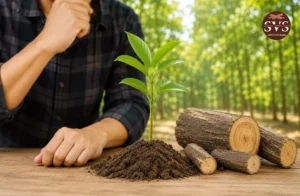


Are you researching white sandalwood investment in Andhra Pradesh? White sandalwood is an important tree species known for its aromatic heartwood and essential oil. Its commercial uses and long growth cycle have attracted interest from farmers, landowners, and people exploring long-term agricultural opportunities.
However, investing in sandalwood requires more than buying land and planting trees. Soil conditions, suitable host plants, water management, plantation maintenance, harvesting regulations, and market conditions all influence the outcome.
For individuals considering sandalwood farmland investment, understanding the cultivation process and the risks involved can help them make more informed decisions.
SVS Amazing Sandal Farms, based in Rajahmundry, Andhra Pradesh, focuses on white sandalwood cultivation and plantation development.
Why Is White Sandalwood Cultivation Attracting Interest?
White sandalwood, scientifically known as Santalum album, has commercial and cultural significance in India. Its heartwood and oil are used in fragrance products and traditional applications.
The tree’s growth characteristics and long cultivation period make plantation planning especially important. Unlike seasonal crops, sandalwood requires long-term care and monitoring.
Interest in white sandalwood investment often comes from the possibility of combining land ownership with plantation development. Nevertheless, projected income should always be assessed carefully because future wood prices, tree development, maintenance expenses, and harvest conditions are uncertain.
Sandalwood should be evaluated as an agricultural and land-based venture rather than a guaranteed financial product.
Is White Sandalwood Farming in Andhra Pradesh Worth Exploring?
Andhra Pradesh has a diverse range of agricultural landscapes. However, not every location is suitable for sandalwood cultivation.
People researching white sandalwood farming in Andhra Pradesh should evaluate the specific property’s soil, drainage, climate, water availability, and plantation design.
Well-drained soil is important because sandalwood generally performs poorly in waterlogged conditions. Appropriate host plants are also essential because the tree obtains some water and nutrients through connections with their roots.
A site assessment, soil testing, and a suitable cultivation plan should precede plantation development.
Important Factors in Organic Sandalwood Farming
Organic sandalwood farming and sustainable plantation management can form part of a responsible agricultural approach. The precise methods should be selected according to the land, growing conditions, and applicable agricultural requirements.
1. Soil Health and Drainage
Healthy soil supports root development and the overall plantation ecosystem. Soil testing helps identify drainage issues and potential nutrient deficiencies.
Organic matter, suitable mulching, and responsible nutrient management may support soil health when used appropriately.
2. Host Plant Selection
White sandalwood is a hemiparasitic tree. It makes its own carbohydrates through photosynthesis but also obtains water and nutrients from compatible host plants.
Selecting suitable host species and managing their growth are essential elements of plantation planning.
3. Water Management
Young plants need appropriate moisture, but excessive water and poor drainage can damage their development.
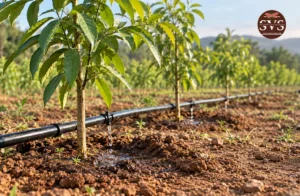
Drip irrigation, where suitable, and water-conservation practices may help manage resources efficiently. Irrigation requirements should be adapted to the soil, season, and plant growth stage.
4. Monitoring and Protection
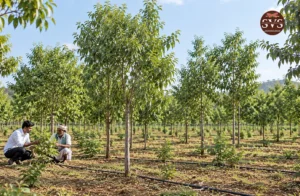
Plantation management involves monitoring tree growth, maintaining suitable host plants, controlling weeds, protecting young trees, and addressing problems when they arise.
A long-term plantation plan should explain who is responsible for these activities and how progress will be communicated to landowners.
Understanding Sandalwood Farmland Investment
Agricultural investment decisions should consider the land and the plantation separately.
Land value may be influenced by location, road connectivity, infrastructure, development patterns, and local demand. Plantation value depends on biological factors, tree survival, heartwood development, management quality, and the market conditions prevailing at harvest.
For this reason, a buyer should request a transparent explanation of the investment model before purchasing a plantation plot.
Important questions include:
- What type of ownership will the buyer receive?
- Are the title and link documents available for independent verification?
- Who is responsible for plantation maintenance and security?
- How are plantation expenses managed?
- How are harvest proceeds calculated and distributed?
- What happens if trees do not survive or grow as expected?
- What approvals are required for harvesting and transporting sandalwood?
- What exit options exist, and what costs or restrictions may apply?
Clear answers to these questions help buyers evaluate a project on its actual terms instead of relying on promotional return estimates.
Explore an Organic Sandalwood Farm in Rajahmundry
For people researching an Organic sandalwood farm Rajahmundry, SVS Amazing Sandal Farms provides information about its plantation project, cultivation approach, location, and land ownership arrangements.
Prospective buyers should visit the property, review the available documentation, and confirm the precise scope of any organic farming claims before making an investment decision.
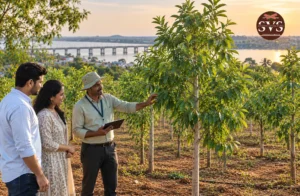
A visit can also help buyers understand the plantation layout, land access, surrounding infrastructure, and current management practices.
Why Consider Agro Investment in Rajahmundry?
Rajahmundry is an established urban centre in Andhra Pradesh, with road connectivity and educational, healthcare, residential, and commercial infrastructure.
For those considering Agro Investment in Rajahmundry, the location may be worth investigating because of its accessibility and surrounding development. Nevertheless, the investment case for any particular property depends on its precise location, title, land-use status, price, and suitability for the intended agricultural activity.
Proximity to infrastructure does not automatically guarantee land appreciation. Buyers should compare similar properties, verify development claims, and assess the full cost of ownership.
Legal Considerations for White Sandalwood Investment
Before starting or acquiring a sandalwood plantation, verify the applicable rules governing cultivation, tree felling, possession, harvesting, and transportation.
Requirements can vary according to the activity and the relevant state regulations. Obtain current guidance from the appropriate Andhra Pradesh Forest Department authorities and independent legal professionals before relying on a proposed harvest or sale plan.
Do not assume that owning farmland automatically removes every regulatory requirement associated with harvesting and moving sandalwood.
Choose an Informed Approach to White Sandalwood Investment
White sandalwood can be an interesting subject for people exploring long-term agricultural projects. However, responsible sandalwood farmland investment requires patience, careful documentation, suitable growing conditions, ongoing plantation management, and realistic financial expectations.
SVS Amazing Sandal Farms invites prospective buyers to learn about its white sandalwood plantation project in Rajahmundry, request documentation, and arrange a site visit.
Contact SVS Amazing Sandal Farms
- Website: https://www.svsamazingsandalfarms.in/
- Phone: +91 9100444555
- Email: nsreddynaidu@gmail.com
- Location: Near Chandrika Avantika, Chakra Dwara Bandham Road, opposite Nannaya University, Rajahmundry, Andhra Pradesh.
Discuss the land ownership structure, cultivation practices, maintenance arrangements, and applicable project terms with the team before deciding.
Frequently Asked Questions
1. Is white sandalwood investment in Andhra Pradesh suitable for everyone?
No. It may suit people who understand the long holding period and risks of plantation-based agriculture. Buyers should evaluate their finances, land ownership terms, liquidity needs, and tolerance for uncertain returns.
2. How long does white sandalwood take to mature?
Commercially useful heartwood develops over several years. The actual harvesting timeline depends on tree age, genetics, site conditions, growth, and applicable regulations.
3. Can white sandalwood be grown organically?
Sandalwood can be cultivated using selected organic and sustainable farming practices. The appropriate approach depends on soil, water, host plants, pest management, and plantation requirements. Any certification claim should be independently verified.
4. What determines returns from sandalwood farmland investment?
Potential outcomes depend on land acquisition costs, land-market conditions, tree survival, heartwood development, plantation expenses, market prices, sale costs, and applicable harvesting and transportation requirements.
5. Is sandalwood harvesting legally permitted in Andhra Pradesh?
Cultivation and harvesting are subject to applicable laws and procedures. Verify current felling, possession, and transit requirements with the Andhra Pradesh Forest Department before planning a harvest.