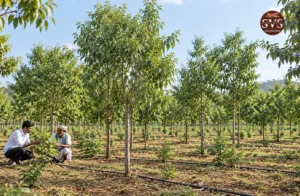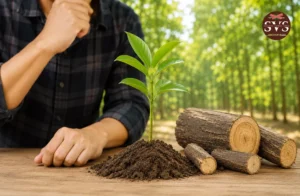

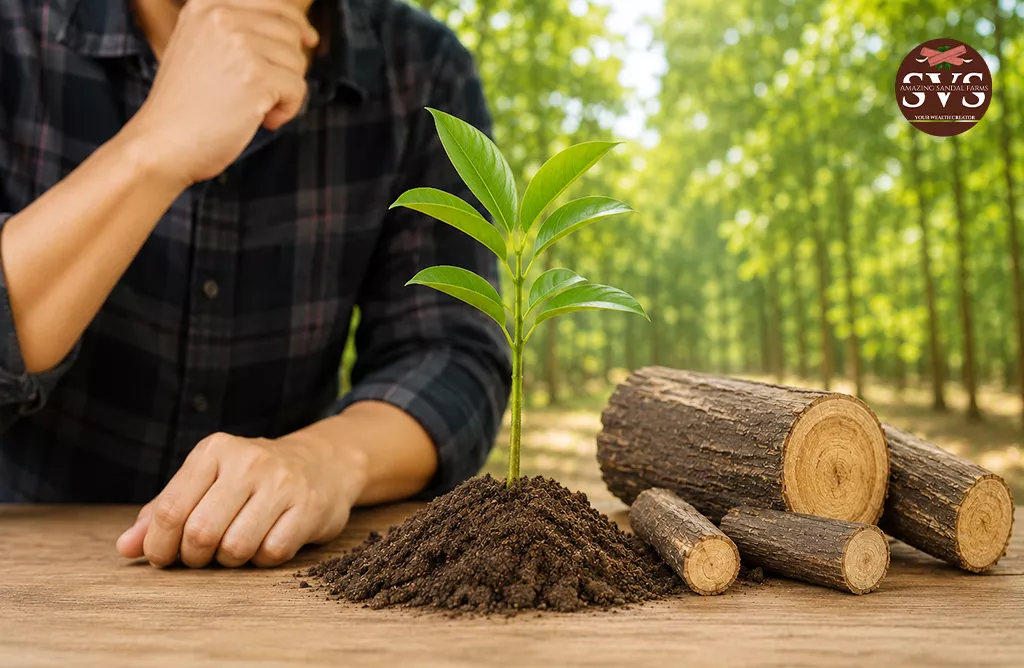
Sustainable farming is fast becoming a significant trend in contemporary agriculture practices. Rather than merely growing short-term crops, there is an increasing trend for plantation practices that may provide long-term benefits and sustainable land use. Growing white Sandalwood cultivation is one of these choices gaining popularity in certain regions of India.
Scientifically referred to as Santalum album, the white sandalwood is popular due to its aromatic heartwood and oil. Growing white sandalwood is however not an easy task since it requires planning, patient waiting, right type of soil, planting material and management of the plantation. The most important thing to note regarding sandalwood is that it is not a fast track crop but a plantation one.
Why White Sandalwood Fits a Sustainable Farming Model
Another thing that makes sandalwood plantations unique and attractive is that they are compatible with agroforestry techniques. This means that sandalwood plants do not have to be grown in isolation; they can be combined with other agriculture practices using the right hosts.
Sandalwood is a hemiparasitic tree that forms root connections with hosts from which it obtains nutrients and water. Selecting compatible hosts, therefore, becomes an important consideration during plantation planting.
This means that management of sustainable sandalwood plantations is not just limited to planting white sandalwood trees. The environment, soil conditions, water availability, distance, hosts, and general management become significant.
White Sandalwood Tree: How Does It Grow?
Among the most frequent inquiries made by novice farmers include “White sandalwood trees how to grow ?”
The process starts with choosing a suitable piece of land and proper planting materials. Well-draining soils are especially crucial as sandalwood grows poorly in swampy soils. The climate, drainage, soil type and presence of appropriate host plants have to be considered prior to planting the plantation.
Sandalwood young trees also require proper care in the initial growing stage. Weed control, moisture control, grazing protection and maintenance of compatible host trees may be helpful in forming healthy trees.
In search of a universal formula, growers have to create their own plantation scheme according to the particular features of their lands.
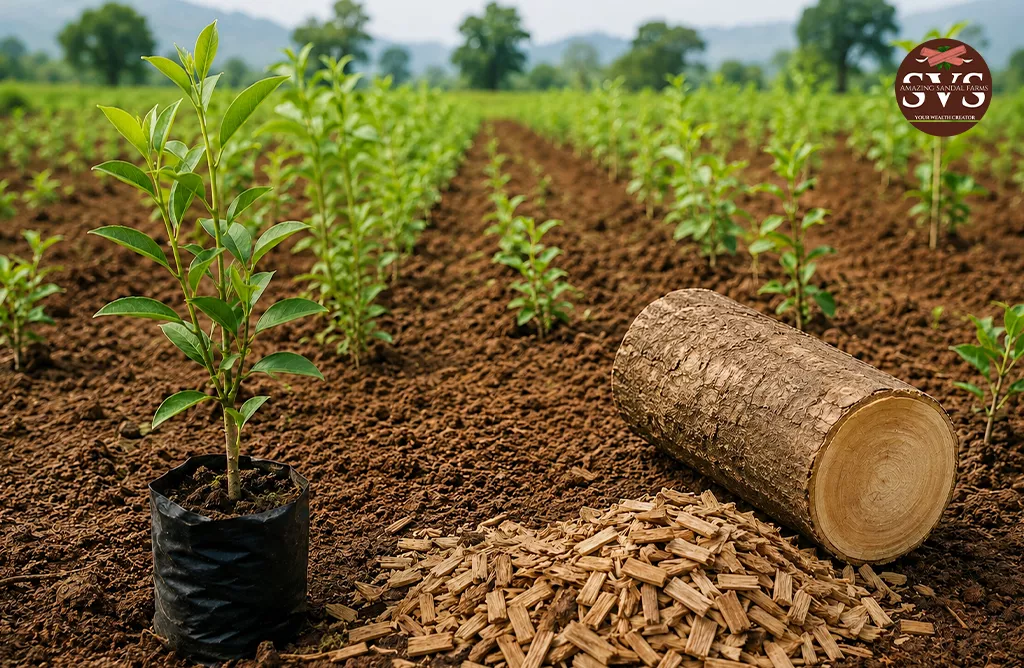
Choosing Land for Sandalwood Plantation
When looking into purchasing farm land for sale, one needs to consider the suitability of the land prior to planting a plantation.
A big piece of land does not necessarily make good farmland for growing sandalwood. Factors such as drainage, type of soil, availability of water, climatic condition, accessibility, need for fencing and sustainability of the plantation over a long period of time must be considered.
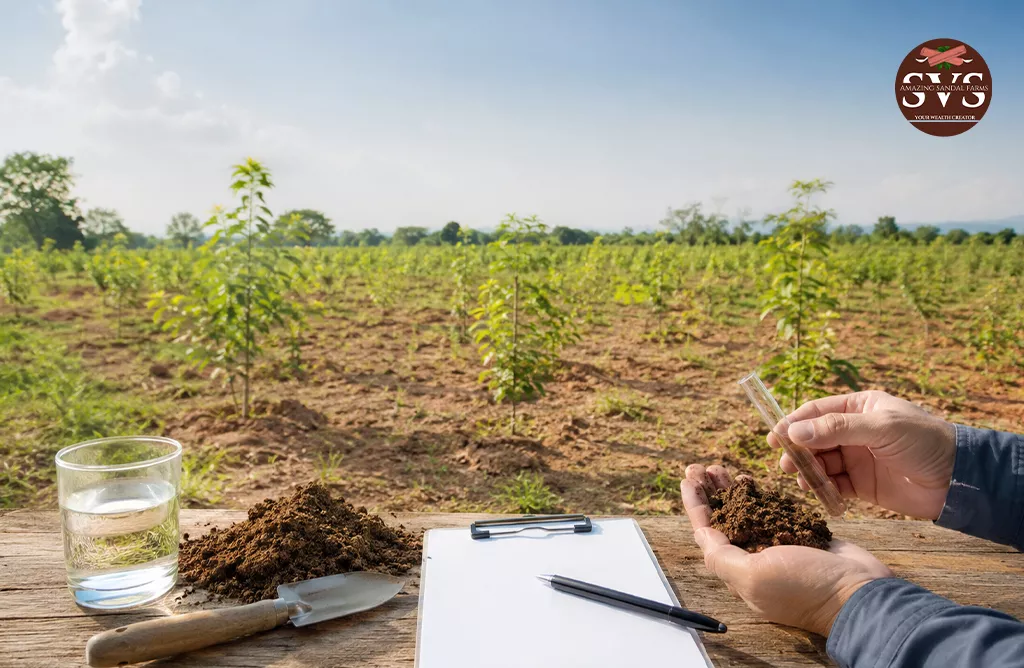
Conducting a soil test on land prior to purchase or development will provide information on possible limitations that the soil may have.
Sandalwood tends to do better in soils with proper drainage and does not tolerate waterlogging.
Choosing the right piece of land for plantation is probably more important than choosing the biggest piece of land.
Planning White Sandalwood Plantation in Rajahmundry
Climate and soil characteristics at a place need to be evaluated individually prior to setting up a plantation. For individuals contemplating the plantation of white Sandalwood plantation in Rajahmundry a site evaluation exercise may assist in finding out if that specific piece of land is right for the plantation.
Rajahmundry, as well as other areas around it, have agricultural land where plantation-based agriculture can be experimented with, but the success of such plantations depends on things like soil drainage, water management, planting material, host suitability, and plantation planning.
An ideal plantation must be considered an agricultural venture, not an investment commodity.
Is White Sandalwood a Good Investment?
One of the commercial values of sandalwood is what makes it interesting for farmers and landowners. This has also made white sandalwood investment interesting.
Yet, any investor needs to be aware of the possibility and risk of investing in sandalwood. Sandalwood needs a prolonged period of growth, and the development of commercially viable heartwood depends on a variety of issues, like the age of the tree, genetic predisposition, and others. It is also stated that returns from the markets may be highly variable.
Thus, any high return claims need to be taken into consideration. It is always necessary to treat plantation returns as uncertain. Survival rate, plantation expenses, market conditions, harvesting rules, and many others have an impact on the final result.
A more correct approach would be considering sandalwood as a patient plantation asset.
Sustainable Farming Beyond the Trees
Sustainability is much more than just planting trees. It is a concept where one manages the land in a productive way but conserves its natural resources at the same time.
There are various Agroforestry models that could present chances for using sandalwood with appropriate companion or host plants. Various research studies have used sandalwood along with agricultural/horticulture crops to illustrate the potential advantages of agroforestry until the sandalwood plants mature.
Why Choose SVS Amazing Sandal Farms?
Anyone who is interested in sandalwood plantation is sure to benefit from the assistance of professionals, as each step starting from knowing about the land till selecting suitable plantation material is important.
SVS Amazing Sandal Farms provides information related to opportunities in the area of sandalwood plantation and also guides potential planters through the journey of plantation.
The basic objective must never be about planting the trees; rather, it must be about managing the plantation properly.
A Greener Way to Think About Land
White Sandalwood presents a unique blend of agriculture, forestry, sustainable development, and land management issues. With proper planning and management practices, it can be included in the system of agroforestry that moves well past the cycles of agriculture.
For everyone who contemplates cultivation of White Sandalwood, the very first question to be asked is not how soon profits can be generated from the plantation but rather if the land, plantation design, management, and long-term prospects are appropriate for the venture.
Grow with patience. Manage with responsibility. Think for the future.
Frequently Asked Questions
Sandalwood is a long-term plantation crop. Commercially useful heartwood develops over several years, and meaningful harvest timelines depend on tree growth, site conditions, genetics, and plantation management.
Yes. White sandalwood is a hemiparasitic tree and forms root connections with host plants to obtain nutrients and water. Suitable host selection is an important part of plantation management.
No. Land suitability depends on soil, drainage, climate, water availability, and other site conditions. Waterlogged land should generally be avoided.
No investment return should be considered guaranteed. Sandalwood can have commercial potential, but actual returns depend on growth, heartwood formation, maintenance costs, market conditions, and applicable regulations.
Check land suitability, soil drainage, water availability, quality planting material, suitable host plants, plantation management requirements, security, and the current legal requirements for harvesting and transporting sandalwood in your state.